As you leave tonight may you know the generous gift of God’s grace.
May you know that you are
Accepted
Loved
Cherished
Forgiven
Embraced
Welcomed
May you be perpetually familiar with God’s lavish affection that covers your life and shelters your spirit.
May you experience the freedom and joy of God’s pleasing posture towards you, your interests, your talents, your inner thoughts, and your true self.
And as you become more rooted and established and comfortable with being truly accepted- may your anxieties, fears, doubts, and worries begin to settle. May your shame and unease with life turn into self-confidence and dignity.
May the Holy Spirit empower you to then share this generous gift with the world.
Grace, it has been said, is the beauty of form under the influence of freedom.
May you become well acquainted with the exhilarating satisfaction of communicating love and acceptance and giving grace a tangible form that has practical impact.
The world has always needed people that receive and give Grace.
Remember that you are not the source of Grace. God is the source of Grace. We are called to be a community that indulges in the abundance of God’s grace and then shares it with others from the overflow of our hearts.
So as you leave tonight remember to share grace generously as you revel in the all accepting nature of our loving God.
It was the last day of an exhausting High School mission trip to the south and we needed to get to the airport, but a handful of kids wanted to cram in one last trip to a special store to get “snapbacks”. We were staying at an old Presbyterian Church in New Orleans and throughout the halls of the church a loud chorus of teenage guys was growing in strength and number. Any adult could tell that something was up and that it was going to have to be dealt with soon. We were being assailed and pestered from all sides and we were getting worn down.
Teenage guys: “Can we PLEEEEEASE go to that store down the street and get some snapbacks!!???”
“No- seriously Scott- you don’t understand- they have the coolest snapbacks I’ve ever seen. You can only get them here and I really want to have one as a souvenir!!!”
“We’ll just be in there for like 3 minutes! It will just take a second! Scott! C’mon! Seriously! Stop being so lame!”
“Scott- think about it- we’re not doing anything right now- all you have to do is get in the van and take us!”
Me: “Are you sure its THAT important?”
Teenage guys: SCOTT!!!! You have NO IDEA! These snapbacks are amazing. It’s so important that we get them here!!! I really want a snapback to remember this trip by! Scott!!! Scott!!! C’mon! Pleeeeeease! Just say yes! Say yes! Please! C’mon! Don’t be lame! Scott!
Me: “Fine! Let’s go, but I’m leaving you at the store if you take more than 5 minutes” (false threat).
So I loaded up a 12-passenger van with 12 teens and we drove to this “extraordinary”/ “amazing”/ “mind-blowing” store to buy these “life-changing” snapbacks. I was annoyed, but surprisingly intrigued to see what the snapbacks would look like.
Its important to understand at this point in the story that I had no idea what a snapback was. I’m not joking. I do work with teenagers for a living, but this is one that somehow passed me by. I guess I was expecting some kind of new technology that helped you put your hat on in a more efficient way, or maybe a Reebok Pumps version of a hat. Or something like ski boots; some sort of weird snap like contraption that kept your hat on tighter. Whatever a snapback was, I was actually getting kind of excited to see some of them when the kids came back from their shopping excursion.
When they finally poured back into the van I was more than intrigued to see what they bought. One of the guys pulled out a typical looking team hat.
“Yeah, but who bought an actual snapback?”, I asked. “I want to see THAT”.
“THIS is a snapback”, they all replied incredulously.
What I was looking at was a normal hat with a plastic snap thing in the back. The normal hat that people have been wearing for God knows how long; since team hats have been invented probably.
“This is just a hat!!!!”, I screamed. I felt like I was in a strange dream. I felt disoriented, impatient, and even superior in a weird way.
They all looked at me like I was losing my mind.
“This is a SNAPBACK”, they all said in different tones of condescension and amusement. They thought it was hilarious that I didn’t understand how cool snapbacks (normal hats) were.
“You just don’t get it, Scott.”
I’ve become wiser in these moments over the years. I know when I’m outnumbered I should shut my mouth and just nod my head when teenagers are telling me what’s cool and what’s stupid. However, on this particular morning I was tired and stressed and resentful. I actually got into like a 5-minute shouting match with these guys. I wanted them to understand that hats like this have been around forever and that they aren’t cool or hip. They’re just Normal Hats and calling them snapbacks doesn’t make it anymore special. They yelled back and I was far outnumbered. It was like having the volume on the TV cranked up way too loud. They all talked at once. They rolled their eyes and gnashed their teeth and showed me their terrible claws. I eventually gave up. They easily had me outnumbered. It wasn’t like a big fight. We were all kind of laughing while we yelled, but I was definitely confused and exasperated.
I tell this story to highlight a topic worth a discussion- why can’t we adults just let teenagers enjoy the blissful discovery of their own “cool” and their own trends? Or, another way to put it- why can’t we just let kids dabble in their different explorations of identity formation? I think, often times, adults are too quick to point out that the generation before already discovered a certain type of music or trend. We want them to know that they’re not original and not as cool as they think. We want them to know that we are actually cool and that we were doing whatever they think is cool way before they were. Or we want to put down what they do and tell them that we had it better. Have you ever gone off on a teenager about how you had it better when you were younger because you didn’t have all this technology distracting you? You actually did puzzles and drew pictures and went for walks when you were on vacation!
During the snapback debacle I think I was demonstrating bad youthministry. I got caught up in the moment and, for some reason, I wanted the guys in the car to know that I thought their desire to buy snapback hats was stupid and trivial. However, what I truly believe in my core is that their snapback hats are just a different version of what I thought was cool when I was their age. I mean- in the 6th grade I thought it was cool to wear overalls with one strap hanging down. I had like 3 different pairs that I wore to school. (Side note- it seems like overalls and the 90’s in general are back in style). I think what’s happening when teens make these seemingly weird and random style choices is identity formation and that’s normal. Identity formation is a necessary and quite crucial task of adolescence. There will most likely be some great ways that this happens that adults totally “get” and approve of. A kid may find identity in a sport or a band that adults can understand and relate to. The reality though is that most of the time kids find identity in style choices and activities that completely baffle adults. Of course adults have a responsibility to critique some of these decisions and offer wisdom when necessary. I would never recommend that if a 15-year-old started smoking weed with their friends a parent or youth leader should just chalk that up to identity formation and look the other way. I AM saying that
We should let teens have their moment. We should let them discover their own version of rock and roll, overalls, hairstyles, movies, and inside jokes. We probably won’t get it most of the time and that’s okay. In fact, often times it’s probably healthy.
When we get impatient or offended like I did in the snapback story it’s a good opportunity for us adults to look inside and do the hard work of trying to understand our emotions. Are we feeling threatened by this new emerging culture? Do we feel out of touch? Insignificant? Irrelevant? Where are we adults getting our sense of identity and community? Instead of blaming kids for our insecurities and inevitable disorientation as the times change, we can look for opportunities to look inside ourselves and make the necessary adjustments that will help us be mature invested adults that can have poise in the midst of shifting styles and tastes.
Next time I find myself in a snapback type story I’m going to do my best to be more intrigued and less critical. I’m going to celebrate kids when they have discovered something that brings them passion and joy and I’m not going to judge them for it. I’ll just ask that they don’t try to purchase it 3 hours before we need to be at the airport on the last day of a mission trip.
Friends often ask me to write about the music that I think they should listen to. They probably want me to stop talking to them about these albums so they think telling me to write about it will get me to shut up! There were so many albums to be grateful for in 2016. Here are the albums (in order) that were my personal favorite. I put a lot of links to cool videos and performances in here, so if you have the opportunity I would recommend setting aside some time with some ear buds and a favorite beverage.
10. Hamilton Leithauser/ Rostam- I Had a Dream that You Were Mine
As someone who tries to stay up on when big albums are being released, this particular album was a pleasant surprise. I would have been salivating over the idea of a new Vampire Weekend album and I would have been almost as excited about a new Walkmen album. Instead, the lead singer of The Walkmen (Hamilton Leithauser) and the producer/ multi-instrumentalist from Vampire Weekend (Rostam Batmanglij) joined forces to create an album that combines seemingly incongruent musical styles and traditions into something that sounds effortlessly charming. It’s hard to listen to this album without having a huge smile on your face.
Rostam brings all of the sounds and influences that made Vampire Weekend special (Wes Anderson, rockabilly, Paul Simon etc. etc. etc.) and Leithauser adds a voice that is a riveting alternative to Ezra Koenig (lead singer of Vampire Weekend). Leithauser uses his voice in a way that unpredictably vacillates between soft and syrupy to loud and rough. It keeps listeners on their toes and I can imagine the album possibly sounding TOO chill without it.
The album mostly tackles topics like love and existential disorientation with a genericism that allows the listener to scream and muse right along Leithauser. The track list is one standout after another, but my favorite is probably Rough Going (I Won’t Give Up). The lyrics are immensely cathartic mostly because of how open ended they are. When Leithauser screams “I won’t give up!!!” over and over again on the chorus the listener is invited to attribute whatever meaning might fit their current state of mind. Combine that urgent sentiment with the chill piano vibe provided by Rostam as an accompaniment and you have a pretty special listening experience.
9. A Tribe Called Quest- We Got if From Here- Thank you 4 Your Service
When I was a junior in High School I bought my first ATCQ album. I had read somewhere that they were an important rap group. At the time I didn’t know anything about The Low End Theory or Midnight Marauders (now two of my favorite albums of all time). The album I purchased in 1996 was called Beats, Rhymes, and Life; definitely not their most memorable record, but it was special to me because it was my first encounter with this one-of-a-kind group.
Looking back, I think what stood out immediately about ATCQ was the chemistry between Phife Dawg and Q-Tip. Q-Tip’s voice is smooth and high-pitched, while Phife’s is rough and aggressive. Even when Q-Tip is trying to sound aggressive he sounds pretty non-threatening, and even when Phife is trying to sound sweet he still sounds intimidating. All that to say- once I was exposed to The Tribe I was an instant fan.
Unfortunately- the group has not made an album in over 18 years. Why? The answer is complicated. Phife Dawg had health problems, there was infighting in the group, and it seemed like none of the members felt a huge urgency to create something together. The struggle is depicted in the critically acclaimed documentary that was released several years ago ALSO called Beats, Rhymes, and Life.
Recently rumors began circulating that ATCQ was working on a new album, but soon after that it was reported (last March) that Phife Dawg had died due to “complications with diabetes”.
When the new album (We Got it From Here…Thank you 4 Your Service) was finally released it revealed a group that still maintained its chemistry while managing to evolve and mature along with its members. My first encounter with the new material was when they performed “We The People” on SNL. It was hard not to get emotional when a giant poster of Phife was lowered during his rap.
The new album is grittier and rougher than albums past, but the group stays close to its jazz inspired roots. It’s timely, political, inspiring…but mostly it is a Tribe album…which is to say- it’s cool. The chemistry that attracted me as a junior in High School is still there, but there is a new urgency and focus on the part of Q-Tip and Phife Dawg. On “We The People” Phife Dawg asks, “who can come back years later; still hit the shot?” After listening to the album the answer is obvious.
As with ATCQ a tragic death occurred in the middle this album’s production. In this case Nick Cave’s 15-year-old son, Arthur, tragically fell off of a cliff and died. Cave’s work has always felt dark and morbid, but this new album feels like those qualities are understandably ratcheted up.
On Skeleton Key, Cave and his band use synthesizers and orchestration that, from the album’s opener (Jesus Alone), creates a heavy and even slightly sinister mood. It grabs the listener’s attention and announces that the album intends to disrupt rather than sooth. The chorus of “Jesus Alone” depicts a character (Jesus?) “calling” a diverse group of people and later inviting the called to “sit together until the moment comes”. Is this purgatory? Is it the after-life? The song, and the rest of the album, are otherworldly. It’s hard to listen passively.
If you haven’t experienced a Nick Cave album before, his voice and style take some getting used to. He’s not interested in perfect pitch or making his voice sound like a pop singer. He goes for authenticity and feeling. His singing is often low, foreboding, and even slightly quivery. However, on other songs he sings with tender vulnerability (albeit slightly off –key). If you can get past the “weirdness” (read: “unique”, “original”, “creative”, “one-of-a-kind”) of Cave’s style the pay-off is a cinematic experience. The album is like a surreal Kubrick-like film narrated by a mad poet trying to articulate the mysteries of life and death and love. What more could you ask for!?
By the time the penultimate song (Distant Sky) arrives, the heart wrenching and tragic beauty it conveys feels earned. The song almost reminds me of a song you would hear during the credits of a Lord of the Rings movie. That is to say- it’s a quiet prayer that provides a chance to reflect in a way that honors the rest of the album.
Skeleton Key is an album that, for me, has the potential to help people have an experience that takes them away from the struggles of the everyday and I think that is actually very much needed right now. It feels odd to say that it’s morbidity can actually be healing. We need art to help us engage with real life here and now, but we also need art to help us get in touch with the depths of our souls. Skeleton Key reminds us that life is precious and there is more going on around us, spiritually, than we are often inclined to consider.
Watch their super weird and spooky video for “Jesus Alone” here.
7. Leonard Cohen- You Want it Darker
On November 7th, Leonard Cohen died in his sleep after a bad fall. He was 82 and had just completed his 14th album- You Want it Darker.
Being 82, it makes sense that death and mortality were on Cohen’s mind as he worked on the album. He wrestles through his complicated feelings about God and faith and attempts to say goodbye with dignity. I’m not sure if Cohen is a Christian, but he has always employed the language of faith (and specifically the Christian tradition) to speak about the human experience. On You Want it Darker he is both heavy handed and playful lyrically and musically. He seems to have come to terms with mortality and is able to accept it despite his obvious love to question everything.
Cohen’s voice is deeper and more gravelly than ever, but somehow the age makes the music feel wise and comforting. As opposed to some of his other gruff voiced contemporaries (Bob Dylan and Tom Waits for example), Cohen’s voice feels like a warm blanket once you get used to is. This helps his laments and lingering anger go down smooth. It also makes his earnest sentiments about love seem so much more authentic than your everyday musician. Despite Cohen’s cynicism he is still able to revel in the simple joys of love.
This album helped me process some of life’s heaviest questions this year. Cohen’s “voice” (literally and metaphorically) is extremely “punk rock” in it’s brazen honesty, but the music is so chill and smooth that it helps to bring the listener to a place of quiet contemplation. In that sense You Want it Darker (along with many of Cohen’s past albums) feels like going to church or praying…or sitting in a chapel. It’s a parting gift from one of our greatest artists.
While there are no videos or live performances from this album you can check out a really great interview Cohen did for this album here.
6. Kanye West- The Life of Pablo
For me, no other album was more anticipated this year than The Life of Pablo (formerly So Help me God, formerly SWISH, formerly WAVES…Kanye was aggravatingly public about his indecisiveness when it came to naming the album). Kanye also appeared to take a twisted type of pleasure in toying with his fans regarding when the album would be released. He eventually previewed the album during a presentation of his third clothing line at Madison Square Garden. Fans got to hear the music, but we weren’t quite sure if we were hearing the final version of his completed album. Turns out we weren’t. After previewing the album, Kanye went “back to the lab” with Chance the Rapper and several other collaborators to continue to fine tune several of the songs. This hinted early on of an album that was pretty unruly.
When the album was finally released the listening experience delivered moments of bliss in fits and starts. Some of Kanye’s most beautiful sonic and lyrical creations to date are interrupted by moments that are equally lazy and crass. TLOP is truly inspired and truly confounding…which is to say- it’s a lot like Kanye. The opening song, Ultra Light Beams, is completely unique in terms of the Kanye canon. It’s quiet, meditative, earnest…patient even. It features a gospel choir, several perfectly cast guest performers and actually very little Kanye. It’s essentially a prayer about needing and trusting in God during a dark night of the soul and it hints at the album Kanye had been promising for months: “a gospel record with swearing.” What happens after “Ultra Light Beams”, however, is anything but a gospel record. There are a few more moments where Kanye alludes to his Christian faith, but the rest of the album is an exercise in random free association accompanied by various musical mosaics by one of the best music producers working today.
There really is not a dull moment on TLOP. I listened to the album exclusively for almost a month. Kanye is a genius and he always delivers an entertaining and provocative product. The beats are new and exciting, the crassness, while confounding, is also kind of funny and silly. The highs are very high. The second half of “Famous” might be my favorite Kanye creation ever. However, the album is missing the tightness of past Kanye albums. Kanye has always delivered a product that feels cohesive with a manic intentionality and thought. Each time he puts out an album he seems to dabbling in new musical styles and his albums are an opportunity for him to highlight that. My Beautiful Dark Twisted Fantasy (his most critically praised album) was bookended by songs that seemed to articulate a thesis statement of sorts for what he was trying to communicate. On TLOP he is all over the place and each song feels like it belongs on some other album. In that sense it almost feels like a mixtape. If the album was filled with more songs like “Ultra Light Beams” it would probably be my favorite album of the year. It’s still an impressive album, it’s just not Kanye’s best.
I remember where I was the first time I listened to each of Bon Iver’s 3 albums. I was on a back porch in Sunriver the first time I heard For Emma, Forever Ago. I was getting on 405 South from 8th Street in Bellevue the first time I heard Bon Iver (Bon Iver’s self-titled Sophomore album). And I was on driving on the Pacific Coast Highway near Santa Barbara the first time I heard “22, Over SooooN” (the opening track from the new album). At that point I did what any rationale music lover would do- I extended the drive so I could listen to the song 10 times in a row as the sun set. I think the reason I remember each of these experiences so vividly is that a Bon Iver album is a sort of meditative and transcendent experience wholly different than most other albums; probably because of Justin Vernon’s soaring falsetto and his unique ability to make a simple set of chords and a voice sound so weighty.
22, A Million is an exciting next step in Bon Iver’s artistic evolution because it includes these qualities that have made the project so special while also adding a ton of weird electronic experimentation. The album aggressively explores what it means to be a spiritual person made of flesh and blood in an increasingly digital age. The first song (“22, Over SooooN”), to me, introduces an existential and religious dilemma that sets the tone for the rest of the album. The singer is “waiting at the station” (this could be a metaphorical train station or it could be one of the stations of the cross…this line is an example of the way the album constantly plays around with religious words to invoke spiritual longing). It’s also appropriate to tie the number 22 to Psalm 22, which asks God “why have you forsaken me”? Indeed, the lyrics throughout the album invoke a reaching-out-to-God amongst a computerized landscape. “666” (another obvious religious allusion) ends with Vernon repeating “I’m still standing in the need of prayer” and in “29 Stafford APPTS” he chants “canonize, canonize”(a possible reference to sainthood or the canonization of a work of art). The song titles (a mash up of numbers, religious inferences, geographic locations, and nature) indicate that the album intends to explore how to make sense of what makes us human now in the modern world.
It would be an understatement to say that one could take a Master’s level course on all the symbolism and cryptic lyrics that are thrown into this project, but the illusive nature of these songs is exactly what makes 22, A Million such a rich and multi-layered experience that invites numerous listens. If it wasn’t for several other stand-out albums this year, 22, A Million could have been my favorite album. It’s a contemporary work that also feels timeless. Also- the obsessive intentionality put into the final product feels like the complete opposite of The Life of Pablo. The consumer feels honored and valued instead of messed with. “OOOOO Million” closes the album with what feels like a prayer; it’s a graciously quiet moment of reflection after a complicated and somewhat taxing journey. At the end of each set of verses Vernon sings “if it’s harmed me, it’s harmed me, it’ll harm me, I’ll let it in”. After spending time wrestling through life’s biggest questions this feels like a moment of serenity. It’s a coming-to-terms with the pain life inflicts and finding peace in the midst of it. It’s a wise and cathartic sentiment to hold onto at the end of a year that felt pretty darn harmful.
If you want to have your mind blown by a live performance of “CrEEks” watch this. Start it at 1:23 though. The beginning is just him setting up his weird auto tune gear.
4. Frank Ocean- Blonde
Fans have been waiting for a new Frank Ocean album for a long time (4 years to be exact) and Blonde delivered a truly riveting experience that pushed Ocean’s avant-garde version of R&B to new limits. The most compelling and consistent element to anything Frank Ocean is a part of is his voice; it’s smooth and soulful with a massive range. That makes it all the more cool and risky when Ocean decides to so aggressively toy with his vocals on Blonde. Sometimes the pitch is cranked up to make him sound cartoonish; sort of like the 4th member of Alvin and the Chipmunks, at other times it’s slowed down to make him sound like Dr. Claw or Darth Vader under water, and in other songs it’s just given a twinge of distortion or reverb. However, throughout the album Ocean’s “regular” singing voice bursts in just in time to release the tension of the experimentation giving the listener a rewarding release. The most obvious example of this is the opening track cryptically titled Nikes. This is the first song on an album that people have been waiting years for and the first half of the song features dueling high and low distortions of Ocean’s voice. By time he bursts out in the second half with his real voice singing “we’ll let you guys prophecy!”, it’s extremely hard not to stand up and start cheering.
However, Ocean’s voice is just the tip of the iceberg when it comes to the experimentation on Blonde. There is an R&B core to Ocean’s style, which is present in gentle wisps and threads, but there are also influences from classic rock, punk, hip-hop, electronica, Wes Anderson, and a bajillion other more subtle influences that pop up in the lyrics and other isolated interruptions. The end of Ivy, for example, is completely disrupted my someone (most likely Ocean) screaming in the aforementioned chipmunky voice, which is freaking disorienting. Two songs later, on Solo, Ocean delivers one of the most easily digestible tracks on the album with just his voice and an organ. It’s soulful and pleasant, but because of the songs leading up to it, one can’t help but brace for a potential audio glitch to break the spell. My absolute favorite moment on the album is on the back half of the song Self Control. After a charming first half that has Ocean singing over an electric guitar about the struggles of unrequited love he transitions into a gorgeous multi harmony plea for his lover to stay with him for a night (side note- the 808 sample used in this part of the song is a perfect example of Ocean’s proclivity for adding left-field musical elements that somehow totally work).
The lovers that Ocean are singing to on Blonde are most likely other men, but that isn’t made explicit and that’s what makes these songs so vital. Many articles (like this one: (http://www.clashmusic.com/features/panderings-pan-sexuality-hip-hop) have discussed Ocean’s pansexuality; that is someone that is completely “gender blind” when it comes to sexual preferences. Writing through this lens, Ocean can’t help but create music that describe situations that are often sexually ambiguous. The songs on Blonde don’t merely sound good and push the envelope musically– they also give voice to the black LGBTQ community (see also Dev Hynes of Blood Orange…an artist that almost made this list). Black male hip-hop and R&B artists have been notoriously homophobic throughout history and while that’s slowly changing, albums like Blonde have the potential to open minds and hearts to people with a different sexual orientation. And I’m not a black gay man, but I imagine that Frank Ocean’s music would be extremely helpful and cathartic if I was.
Blonde is a sonically rich, lyrically sharp and playful, emotionally moving piece of art that will surely be an American classic in time. For me it was an album that challenged my ears and my world view. That’s not to say the album is work. Blonde is nothing if not fun. The album is the complete opposite of monotonous. Every song sounds different and unique. And Ocean seems to have an uncanny ability to know when the listener needs a moment of quiet uninterrupted reflection; no song better displays this sensitivity than Godspeed (the second to last song on the album). The song is a benediction of sorts and obviously a prayer for a past lover, but it’s cool to think of Ocean singing them to whoever might be listening. “Wishing you Godspeed, glory!”, Ocean sings, once again over a quiet church organ. In the context of the entire album, it feels like a truly honest and hard earned blessing that has come through brave self-reflection. Ocean knows that he no longer needs the person he is singing to and can genuinely let go despite the presence of real grief and sadness. I loved this album for its cryptic and nuanced vibe, but loved it equally for moments like this where the clouds parted and a clear message of grace burst through.
There are very few vids of FO performing live, but here is a rare gem.
3. The Music of Steven Universe
When it came time to share what I was thankful for during Thanksgiving dinner this year, my answer was easy: Steven Universe.
For years I had seen commercials for Steven Universe during commercial breaks between Adventure Time episodes (a Gronholz family favorite for almost 4 years now) and they always made the show look pretty lame. It looked like a show about an annoying kid with an annoying voice who had some sort of weird super power. It all seemed like another obnoxiously loud and gimmicky Cartoon Network show that was thrown together just to get more kid viewers. My impression could not have been more wrong.
At the beginning of the summer I read a review of the show somewhere that said “Steven Universe is the most progressive kids show ever created.” That really got my attention. One evening I suggested to my kids that we give the show a try and they looked at me with the appropriate amount of skepticism; after all, this was the show that all of us had been rolling our eyes at when we saw the commercials. We watched the first few episodes and we were hooked. We plowed through a little over 60 episodes in the evenings during our vacation to Santa Barbara, finished the other 118 episodes when we got back, and have already re-watched the entire series.
It’s hard to convey to the non-converted how truly rich and powerful this show is. For me personally, it is a story that is right up there with favorites like Harry Potter, Star Wars, or Narnia. The mythology of this show (a story about alien invaders that decide to turn on their own kind to save earth) is utterly unique and the characters are so 3-dimensional and endearing that it compels fans to want to stay in this “universe” as often as possible. In C.S. Lewis’ review for The Lord of the Rings he wrote, “here are beauties which pierce like swords or burn like cold iron; here is a book that will break your heart.” The same could be said for Steven Universe. The emotional landscape and maturity of this show is often times more profound than anything I can find on adult shows. It’s really too bad that we even have labels for media like this. Steven Universe is a “kid’s show”, yet for those with an open mind it has depth and wisdom to offer even the most pretentious of adults would find compelling.
But this is supposed to be about music!
When I saw that Rebecca Sugar was the creator of Steven Universe it was the final push I needed to watch this show. Rebecca Sugar was a significant contributor to Adventure Time. My kids and I were so enamored with the music on that show that we often went to the internet to find out who was writing these catchy and lyrically touching songs. Well- we found out that most of our favorite songs (often times sung by Marceline the Vampire Queen) were written by Rebecca Sugar.
In Steven Universe, Sugar is able to inject her unique musicality into her stories which comes in the form of punk rock, musicals, 80’s new wave, 8 bit video games, and plain old hipster ukulele. Each song feels like a whimsical free-form burst of creativity that perfectly fits the narrative of the show and gives fans musical references to remember their favorite episodes. The episode about the main characters traveling to the moon together is the episode where Steven sings Peace and Love (On the Planet Earthand the episode about Steven, Pearl and Amethyst battling the “Heaven Beetle” is the episode where Steven Sings Giant Woman.
As with any musical, these songs become more three dimensional when put in the context of the story and their characters, but they are still stand alone songs that anyone can enjoy (My Shot from “Hamilton” is another example of a song that people learned to enjoy outside of it’s original context this year). Here are a few standouts from Steven Universe (but they really are all standouts).
Garnett (the show’s Gandalf, Aslan, and Dumbledore…and my favorite character) sings the shows two best songs: Here Comes a ThoughtandStronger than You.
And here is the extended version of the show’s awesome theme song.
I didn’t have anything like this show when I was growing up. I had Muppet Babies and Mr. Rogers and Sesame Street (I’m trying to think of shows that were entertaining, but taught me something too). Steven Universe is like combining Dragon Ball Z with Mr. Rogers and Hayao Miyazaki.
I don’t think this show is just for kids though. I think it’s one the best shows ever created period and I think it’s unfortunate that we have these categories of “kid’s shows” and “adult shows”….or adult music for that matter. If you have a family I really couldn’t recommend Steven Universe enough.
In closing- here is a clip of the show’s creator (Rebecca Sugar) singing the enchanting Love Like You from the show’s closing credits.
2. Beyonce- Lemonade
In the realm of pop culture I often think about how there is a lack of inspiring marriages depicted. I think of Bill and Claire Huxtable, Eric and Tammy Taylor, and that’s about it (let me know what I’m missing here). When Lemonade was released I was thrilled to experience another Beyonce visual album. I knew it would be impeccably produced and completely entertaining. However, I was not prepared for the depths that Beyonce was willing to journey through to explore marriage. This is an album that takes apart a marriage and examines big thoughts about fidelity, honesty, race, spirituality, lineage, autonomy, forgiveness, and love.
The premise of the album is that Beyonce has discovered that her husband (Jay-Z) has cheated on her. What follows is a pop-music version of the various stages of grief and processing that any marriage must go through to survive scandal. The visual album gives you chapter titles like “Anger”, “Accountability”, and “Resurrection” (click here for the full list of chapter titles and their song descriptions) that are headlines for the emotional landscapes Beyonce wants to invite her listeners to explore with her. Somehow these visual cues don’t come across as heavy handed or trite. I think that probably has something to do with the rawness and the realness of each song. I don’t think Beyonce was going for subtly in this album and that was refreshing for me. Looking back at this list of favorite albums this year there were a lot of good artsy albums that provided plenty of nuance and mystery. But sometimes we want pop music to be more obvious and help us get in touch with our own emotional lives in the process.
No song on the album does this better than Don’t Hurt Yourself; Beyonce’s completely unhinged and raw expression of how she feels about being cheated on. Beyonce has always trafficked in songs that empower women, but Don’t Hurt Yourself makes songs like Single Ladies and Irreplaceable seem like nursery rhymes. This song is crass and aggressive and bashes you over the head. Also, thanks to some assistance from Jack White, it draws out a bonkers rock diva side to Beyonce that totally works.
For me, as a listener, Don’t Hurt Yourself was so much more than merely Beyonce reacting to Jay-Z’s infidelity. I thought it was the inevitable moral reckoning that hip-hop had coming. For some reason I instantly thought of Jay-Z’s classic song Big Pimpin. This was a huge hit for Jay-Z in the early 2000’s. It’s a song that was blasted from every young/ dumb college kids’ car as they drove around hoping to be just a little bit like Jay-Z. The song opens with the super classy lines: “You know I thug em, fuck em, love em, leave em Cause I don’t fuckin’ need em.” The lyrics get worse from there. I remember the video depicted Jay-Z and his business partner (Damon Dash) dancing around half naked women and casually showering them with champagne: a disturbing and poignant image of our constant objectification of women. Who will stand up for these women? Where is the righteous indignation? We need look no further than the woman who actually married Jay-Z. In Don’t Hurt Yourself, Beyonce stops mid-track to declare “I am the dragon breathing fire”, and proceeds to obliterate every disgusting, misogynistic, hypocritical creep that has ever created or enjoyed songs like Big Pimpin. Fire is the appropriate imagery here because Beyonce leaves behind a scorched earth.
This makes the rest of the album feel more authentic and rewarding. The listener would understand if the songs that followed Don’t Hurt Yourself dug further into feelings of disgust and anger. However, after some songs that describe apathy and grief, Beyonce begins to offer powerful songs about hope and redemption. Can a marriage survive betrayal, deception, and heartbreak? As a Christian, my hope is that it can. I don’t get much out of saccharine “Christian pop” sentiments about fidelity and commitment because so little of that genre seems to know much about the real pain and heartache described in Lemonade. The idea that “love conquers all” doesn’t have a ton of back-up in our songs and popular media. Love is either something that is abandoned at the first inkling of discomfort or betrayal or is something that is substituted with “fulfillment” or “happiness”. I want to believe that love is stronger than that. I want to believe that love could heal my own marriage in a crisis, and I especially want to believe that love can bring our divided nation together. According to Lemonade, it can.
At the end of the album Beyonce finally blesses the audience with a song called All Night about the healing power of love. In the song she sings, “True love breathes salvation back into me. With every tear came redemption.” Separated from the narrative of the album this would feel like a trite pop-music sentiment. However, in the context of Lemonade it is a hard earned and powerful declaration. By the time I got to this song in the visual album I was sobbing into my hands. We need (I need) hopeful works like this that are rooted in the very real struggles of marriage and commitment. The entire album articulates a substantial and durable vision of love that the world really needs.
It also shows the creative strength of human agency when we choose love over enmity. This is actually the mission statement of the album. “Lemonade”. In the visual album the audience is treated to a toast given by Beyonce’s Grandma Haddie at, what appears to be, her 90th birthday party. In her toast (as Beyonce’s daughter, Blue Ivy watches from the audience) Haddie says, “I had my ups and downs, but I always find the inner strength to pull myself up. I was served lemons, but I made lemonade.
Not only is this a beautiful way to honor what Beyonce has learned from her Grandmother, but it is ultimately a testament to the strength and resilience of black women in America. Midway through Don’t Hurt Yourself Beyonce inserts a clip from Malcom X that states, “the most disrespected person in America is the black woman. The most unprotected person in America is the black woman. The most neglected person in America is the black woman.” By the time the song Formation arrives at the very end of the album (which was the first single that hinted Lemonade was on the way in the first place) Beyonce’s new artistic identity as a champion, not just of women, but specifically black women, feels credible. In Lemonade she has firmly embraced her identity as a black woman by reaching back to her roots to find the fortitude to stand on her own two feet. She doesn’t enter back into her marriage because she is coerced by a man, but because she has made an autonomous decision as a strong intendant woman that is rooted in her beliefs and family heritage. As she draws on the power of these resources she ultimately finds an inner resilience summed up in a simple refrain meant to rally and unite black women everywhere: “Okay, ladies, now let’s get in formation!” It’s a stand-out line in an album full of stand-out lines and one I hope continues to reverberate into 2017.
1. Chance the Rapper- Coloring Book
When I saw Chance the Rapper perform Blessings on Jimmy Fallon I was not in any way prepared for his blatantly Christian message complete with a gospel choir and a crumbling replica of The Walls of Jericho. Chance had alluded to his Christianity in past songs (see Sunday Candy by Donny Trumpet and the Social Experiment), but this was an unabashed declaration that Chance “don’t believe in kings, believe in the Kingdom.” The last time I had felt this excited about a musician was when I saw Kanye’s Jesus Walks videos almost 15 years ago.
And speaking of Kanye, he had promised fans a “gospel album with swearing” this year. As I’ve already discussed, Kanye failed to deliver on that promise, but it seems like he has passed the “swearing gospel musician” baton onto Chance. After all, Chance said himself during his guest verse on Ultra Light Beams that he’s “Kanye’s best prodigy.”
Let’s stop for a second and think about this idea of a “gospel album with swearing”. I’m discouraged that there even has to be this distinction. Specifying that there will be swearing on a gospel album should feel as novel as saying there will be cheese included on a hamburger. Maybe someone doesn’t prefer cheese on a hamburger or they’re lactose intolerant, but it shouldn’t be some big thing. When I hear Kanye say he’s making a gospel album with swearing I interpret that as him wanting to make a Christian album that uses real everyday language to communicate the gospel. This is important because the gospel needs to apply to “everyday people” and “everyday people” swear. Everyday people (okay I’m starting to sing that old Sly and the Family Stone song now) also live lives that are complicated and full of struggle. Often times gospel albums (or Christian pop songs) hint at “evil” and “sadness”, but can’t seem to find the imagination or courage to name the source of these struggles. As upbeat as Chance’s songs are, they also address topics like drug addiction and gang violence. To me, this makes his joy-filled audacious faith claims (when the praises go up, the blessings come down!) seem more applicable.
And Coloring Book (or Chance 3 as it is often referred to) is packed with joy-filled audacious faith claims. The album starts with an uplifting and fast-paced ode to the power of music (backed by Kanye and The Chicago Children’s Choir). Later in the album, on songs like “Angels” and “Finish Line/ Drown”Chance raps about how his faith in Jesus gives him courage and hope. On “How Great” he has a choir sing “How Great is our God” for over two minutes before contributing his own amusing verse followed by J-Electronica (one of many examples of the street cred Chance has with other rappers).
Coloring Book is full of musical partnerships that shouldn’t work on a “gospel album”. Kirk Franklin is on “Finish Line/ Drown”, but other than that it feels like Chance snuck these artists in through the back door. There’s Justin Beiber, T-Pain, 2-Chainz, Lil Yachty, Young Thug and many other artists that I assume are underground Chicago rappers. One of my favorite songs (all of them are favorites really) is when D.R.A.M. shows up mid way through the album just to sing “you are special” over and over again.
This is quiet possibly my favorite Christian album I’ve ever listened to period. As someone that grew up on Christian music I often find myself mourning that I don’t play more “Christian” music around my house. Unfortunately some of it is so cheesy (my opinion). My favorite part about this album is that there are at least 5 songs that are completely kid appropriate. What made this album so special for me this year was that it got my family singing around the house together, “I’m gon’ praise him, praise him till I’m gone!.”
Watch Chance perform “Finish Line/ Drown” on SNL. And listen for the part where he sings, “Jesus it’s your birthday! Happy birthday, Jesus!”
In 2009 Bob Dylan was interviewed for the first time in 19 years. The interview was conducted by Ed Bradley who drew out some rare insights about how Dylan views his work and his legacy. What I found particularly fascinating was the way that Dylan talked about his early days of writing music and the flurry of creativity that he harnessed before the age of 25. Early on in the discussion Dylan references the opening lines from “It’s Alright Ma (I’m Only Bleeding)”:
Darkness at the break of noon
Shadows even the silver spoon
The handmade blade, the child’s balloon
Eclipses both the sun and moon
To understand you know too soon
There is no sense in trying
Pointed threats, they bluff with scorn
Suicide remarks are torn
From the fool’s gold mouthpiece the hollow horn
Plays wasted words, proves to warn
That he not busy being born is busy dying
Later, when explaining how he wrote this song (at age 23!), Dylan says, “well- try to sit down and write something like that. There’s a magic to that. It’s not Siegfried and Roy kind of magic, you know, it’s a different kind of a penetrating magic…and I did it at one time.” Ed Bradley follows up by asking, “You don’t think you can do it today?” Dylan shakes his head and answers with a simple and almost sentimental, “mm-mm”.
As a person who works with teenagers for a living I found this comment to be extremely intriguing. Here was a man at age 68 admitting that he couldn’t do, creatively, what he was able to do when he was 23. There are things, physically, that older folks can’t do that are much more obvious, but I had always assumed that creativity, wisdom, intelligence, and insight increased with age and I suspect most adults think that too. It made me think about my own adolescent years and how I often experienced bursts of creativity that appeared out of nowhere. I don’t have a scientific explanation for that, but my hunch is that those creative bursts had something to do with not overthinking things. When you get older you start to overanalyze information from all the new angles and insights you’ve gained over the years, which has the potential to inhibit creative expression.
This got me thinking about the role of prophets and especially how young people can often play that role in profound ways. In my experience, youth bring a raw edgy energy to life that can be disorienting, but also deeply insightful. This can take the form of questioning stale and outdated traditions that are no longer useful, railing against systems and infrastructures that harm and oppress, or simply pointing out small daily acts of hypocrisy. Students I work with also offer startlingly helpful new ways to read and apply scripture. Furthermore, because young people aren’t bogged down with a particularly robust sense of political correctness they can communicate in a way that shocks people out of their comfortable views.
The Dylan interview also got me thinking about how The Church, and youth ministry programs in particular, often stifle this impulse in young people. This is a problem because the church needs these voices and scripture is clear that the Holy Spirit uses them to challenge and build up God’s people (Acts 2:17). And anyways, God is often about the business of choosing unlikely spokespeople to promote truth.
So why do we adults inhibit students from exploring their prophetic gifts? The answers to that question are probably infinite and vary from context to context, but I think it mostly has to do with a mild abuse of power. Human beings generally like to be in control and adults are given a not-so-subtle mandate from tradition and society to exert that control over young people. It’s pretty hard to control the way God may be speaking to us through another adult (although it’s not impossible), but it is fairly easy to write off a potentially prophetic word from a teen as simple run-of-the-mill insubordination. And I get it; parents and youth leaders are maxed out and just trying to keep kids from breaking stuff and ruining church facilities or interrupting a talk. But there is a difference between complaining about pizza toppings and pointing out the flaws in a pastor’s sermon.
So this begs the question: what is a prophet anyway? The most helpful explanation I could find comes from Old Testament scholar- Walter Brueggemann:
“The prophet engages in futuring fantasy. The prophet does not ask if the vision can be implemented, for questions of implementation are of no consequence until the vision can be imagined. The imagination must come before the implementation. Our culture is competent to implement almost anything and to imagine almost nothing. The same royal consciousness that make it possible to implement anything and everything is the one that shrinks imagination because imagination is a danger. Thus every totalitarian regime is frightened of the artist. It is the vocation of the prophet to keep alive the ministry of imagination, to keep on conjuring and proposing future alternatives to the single one the king wants to urge as the only thinkable one.”
This is a fairly disturbing passage for me as a youth pastor for many reasons. It makes me think about all the times that I have played the role of the tyrannical king who promotes a bland one- note version of reality in the name of teaching. I have absolutely been part of the “royal consciousness” that shrinks imagination. And yet I have been blessed with moments of hearing God speak through kids when they critique my lessons or question the way I spend my money or help me imagine how to be the church.
Years ago I was studying Acts with the youth group and when we read about the early church the students said it seemed really important that the new believers were sharing a meal together. After a lively discussion we decided that we were going to cancel Sunday School once a month and have a morning where we ate breakfast together and prayed for each other in small groups. As I type this out it seems fairly insignificant, but it was something that everyone looked forward to and it became one of our favorite elements to our youth group. It seemed like the right way to spend our time and the kids had ownership of it because it was their idea. Some parents and leaders were concerned that we weren’t having a lesson that day and we had to adjust some numbers in our youth budget to buy the breakfast materials. These seem like unimportant details now, but they are often times just the types of details that get in the way of young Christians receiving the backing of their adult brothers and sisters. How many prophetic words and kingdom oriented visions have we adults missed out on because we were too focused on our calendars and our agendas? How many times have we stifled God’s voice because we were more concerned with our plans and what we think is best? What are we afraid of? I think it comes back to this need most of us have to be in control
Control is a satisfying feeling and being capable of controlling small portions of our lives when the world, as a whole, seems to be completely out of control helps us maintain a feeling of sanity. Wanting to be in control is not necessarily a bad thing, but most of us have a tendency to over-do-it, right? I can think of instances in my own parenting where I arbitrarily “put my foot down” and then felt like I had to stand firm even as my kids (and wife!) picked away at my logic or my motivation. There have been times where, as a youth pastor, I have felt pressure by my co-leaders to say something to regain control of a trip or a particular narrative. And that might be the most challenging part about viewing youth as potential prophets; society actually expects adults to be in control of our youth and relinquishing some of that control can often times be viewed as negligence. What I have come to believe, however, is that we adults are guilty of negligence if we neglect the voices and insights of our young people because of insecurity, laziness, or need to control. Furthermore, we are cultivating a spiritually stilted life that methodically muffles the voices of a demographic I believe God uses to shape and challenge us.
In his book, “How Children Raise Parents”, Dan Allendar, Ph.D., asks a provocative series of questions that have the potential to help us adults begin to take a deeper look at what might be getting in the way of us seeing our kids as vessels of wisdom:
“Why is it so hard to believe that God intends our children to train us just as much as he intends us to train and guide our children? Why is it so inconceivable that God would design a child to be the best qualified human to thwart and shatter a parent’s arrogance and self-righteousness? And why don’t we put this responsibility to learn on par with the parent’s responsibility to rightly shape the hearts and minds of a child?”
When I read this a whole lifetime of memories and experiences were shaken up like a snow globe and began swirling around in my head; it was the beginning of a personal paradigm shift. As a kid growing up my assumption was that adults “know stuff” and the task of adolescence is to learn from the adults. Of course adults have wisdom, knowledge of science, life skills, and important insights to pass on to the younger generation, but if we enter a relationship with a young person with the premise that we are the teacher and they are the student everyone misses out. Adults miss out on true genuine wisdom and young people miss the invitation and the practice necessary in their developmental journey to become more comfortable contributing their unique spiritual insights to the Body of Christ.
In my experience most people I talk to are excited and open to creating space for the voices of our youth to be heard more frequently, but the task is harder than most people think. This is due to our propensity to value our personal opinions over others’ regardless of whether or not they are teens. Dr. Lee Ross is a well known and respected professor of psychology at Stanford who specializes in Attribution Bias. Attribution Bias is basically a way to describe the flaws in our ability to understand the reasons for other people’s behaviors or beliefs. I was listening to Dr. Ross speak on a podcast called You Are Not So Smart. In this particular episode the topic was why we always assume our beliefs and perspectives are right and others’ are wrong. In the middle of the episode Dr. Ross asks a very interesting question. He essentially asks the listeners why we assume our opinions are better or more valid when we are older. He is saying that we even have a bias against our younger former selves. What Dr. Ross proposes is that we slow down to consider that we might have had a more valid perspective on certain issues when we were young. Here’s how he explains it:
“Well of course our views are not static. They do change and they change as a function of the way WE take in new facts; the facts we’re exposed to; the way we interpret those facts…but at each stage in that process we think that our CURRENT views are rational ones. So in the famous statement that if I’m not a socialist at 20 I have no compassion, I haven’t got a heart… and if I’m still a socialist at 30 or 40, or whatever the year is, I haven’t got a brain; I lack common sense.
Well the person who is making that statement is well aware that they’ve changed their view as a result of additional experience and new facts, but they think that the 40-year-old now is rational and the 20-year-old was less rational. They never entertain the possibility that ‘at 20 I saw the world accurately, but now that I’m 40 and I have a wife and kids and am inflicted with credit card debt and bourgeois values I no longer see things the way they really are.’”
This way of thinking about our relationship with our own opinions and world views is, I believe, necessary for hearing the voices of people we may disagree with and it’s also a way for people to develop richer and more accurate opinions (if they’re interested in that sort of thing). Too often our over-confidence gets in the way of us seeing a more nuanced perspective. Our over-confidence can also get in the way of us hearing out a better perspective that we possibly might write off as naïve..
As Brueggemann says, “it is the vocation of the prophet to keep alive the ministry of imagination.” Youth certainly aren’t the only people in our communities that can play the role of prophet, but they are too often disproportionally side-lined and this is to The Church’s detriment. When we pause, listen, and commit to collaborate with the voices of our youth, when we begin to understand that they have a role in shaping us into better disciples, and when we understand the bias blocking our ability to listen, we will begin to become more open to potential “future alternatives”. We will also communicate to our young people that they have a seat at the table when it comes to discerning how God is trying to form us and that will in turn create better adult disciples who will have had experience listening to God and participating in the life of The Church.
When Bob Dylan was finishing up his album called Another Side of Bob Dylan in 1964 he wrote a song called My Back Pages in which he laments his optimism and idealism in his earlier work. He talks about how his songs had called people to “rip down all hate” and that he had a “self-proclaimed professor’s tongue”. In the refrain after each set of verses Dylan proclaims, “Aaah, but I was so much older than, I’m younger than that now”. It seems like he was already grasping at what he eventually was able to admit to Ed Bradley more than 40 years later; namely that, in some ways, his younger self was more capable. More capable of writing poetry, more capable of being righteously indignant, and more capable of waking up his audience to injustice. Dylan would obviously go on to have one of the most successful, and unpredictable, careers in rock history. As he “grew younger” he was not any less talented, but his penchant for writing “protest music” certainly decreased. And the thing is I think we would all agree that we needed the early Dylan and still need the early Dylan. We need the Dylan that calls out hypocrisy and aggressively, yet beautifully, exposes inequality. We need the younger Dylan who was somehow “older” when he announced that the “times are a changin”.
And we need the “older” voices of our young people. We need their propensity to poke at the royal consciousness and imagine a better future. They’re already attempting to speak to us. Do we have the courage to listen?
I love to debate and argue. I’ve always been curious about how people arrive at certain conclusions and how they go about clarifying and defending those conclusions. Arguing with a good friend is one of my favorite things to do! Not only do I enjoy being open and honest with my opinions, I also end up learning more about myself and others through the process.
To me, a good argument is where both parties involved leave feeling slightly changed. There are different kinds of arguments too. There are silly arguments like who would win in a fight between Superman and Batman and there are serious arguments about topics like abortion, health care, or the existence of God. I like all these types of arguments. I really believe it’s one of the best ways for people to learn and grow.
The hard part is that there are a lot of characters out there who just are not that great at having an argument. I don’t know what it is, but some people get so hotheaded during an argument that they sort of lose sight of what’s actually going on. I think one of the most unfortunate habits that people exhibit when a conversation starts to get heated is an instinct to turn a discussion into, what I call, a Fact Fight. They start rattling off facts that they’ve heard or memorized hoping to impress, intimidate, or distract their “opponent”. There is something about this way of arguing that is equal parts troubling and hilarious. If I’m talking to someone that has somehow suddenly flipped into Fact Fight mode I can’t help but picture myself talking to an unnatural animatronic thing. It feels like I’m talking to one of those creepy singing Chucky Cheese robots. I hear words and see a mouth moving, but its just recited soulless bullet points.
What I’m talking about is when you get in the middle of an interesting discussion and someone throws out a fact and just stares at you like that settles it. I’m not talking about someone who wants to bring an important fact to the table so that it can be considered and analyzed. Facts are incredibly crucial to any discussion. An argument without facts would be sloppy. However, facts are a means to and end. The end, rather than a simple nodding of the head at facts, should be a fresh perspective about the nuances of the topic at hand. Facts move a conversation along and give it life and grounding, but certain people don’t treat facts like that; there are people that treat facts like grenades or poison. They use facts to sabotage a discussion, which inhibits new perspectives and stifles growth in a relationship. I honestly can’t really think of anything good that could possibly come from the Fact Fight Strategy.
Let’s say you and I are having an argument about who makes/ sells the best coffee (one of the sillier breeds of argument) and you begin to conspicuously display signs that you’re flipping into Fact Fight mode. You would start to say things like, “it’s obvious Starbucks is the best because they sell the most coffee. The profits prove it. End of discussion.” Or you might say, “Starbucks adds two new stores daily, which proves that they’re growing and that people love their coffee. There’s nothing else to discuss.” At this point I would be thinking, “how unfortunate that it’s come to this.” First of all, if we could access the patience and creativity necessary to move forward with a discussion we’re going to learn a lot about each other and our drink preferences. More importantly, there are some interesting things to consider that might even teach us something about some broader topics. Is it even possible, with our limited exposure, to declare a best coffee? How are subjective factors like our personal taste and objective factors like coffee sales going to play into our final decision? What characteristics define a good cup of coffee and why? Who’s to say!? Most importantly though is this very subtle, almost indistinguishable element: are we arguing to show who is right or are we arguing to co-discover a new truth?
The German Philosopher Hans-Georg Gadamer calls this co-discovery the Fusion of Horizons and I have found this to be a tremendously helpful term to keep in the back of my mind when I begin to engage in a discussion. The idea is that each individual has a horizon of comprehension and understanding based on their particular cultural and historical location. “Horizon” is a refreshingly generous term to apply to our fellow humans because it implies that they are not allowing their opinions and understanding of facts to be stunted by their inevitably limited exposure to the world.
My wife, Marisa, and I usually try to engage in arguments with a Fusion of Horizons mentality and it makes our relationship pretty thrilling. We both learn a lot from each other and we rarely feel like we’re fighting despite our discussions being quite heated. Just last week we had an intense discussion about private school verses public school for our kids. I grew up going to public school and Marisa grew up going to private, and just like any other human out there we think our own personal journey is usually the most valid. There is so much bias and blindness that people bring to interactions like this because it feels nearly impossible to see the potential superior elements of someone else’s experience. However, during this discussion both Marisa and I worked hard to truly listen and understand each other. We’ve spent time on this topic before, but for some reason this time was a huge step forward for us. And it wasn’t a step forward because we agreed or somebody “won” the discussion, but because we both had a deeper understanding of the topic and each other. Another really great benefit of the discussion is that we felt closer.
I find it interesting that The Fusion of Horizons concept turns the typical argument or debate on its head. What we might typically call the “winner” in a discussion is actually the person who “loses” because they were so busy pounding the table and trying to get their point across that they missed out on an opportunity to learn something new. The “winner” is the person that listened and didn’t get caught up in a fact fight. They absorbed information and they were attentive to their fellow human and their own emotions, which expands their Horizons of how they understand the world. Of course, nobody needs to feel obligated to expand their horizons. People can go ahead and remain in their safe cul-de-sac of dogmatism and certainty for as long as they want.
I started a blog 2 years ago and I only wrote three entries mostly because I don’t think I knew why I was blogging. Furthermore, many blogs I read seem to have an arrogant or combative tone, which is a real buzz-kill for me. I’m calling my blog “A Fusion of Horizons” starting now because when and if I ever write something I want it to be with this goal in mind. No Fact Fights.
The Word became flesh and dwelt among us, full of grace and truth. A dream as old as time. If it is true, it is the chief of all truths. If it is not true, it is of all truths the one that people would most have be true if they could make it so. -Frederick Buechner
In our house each year we’ve kept our Christmas tree up until Epiphany, which is January 6th. It’s technically the finale of the Christmas season and it celebrates the moment the three wise men visited Jesus thus revealing Christ to the world as Savior and King. On January 7th everything will go back to normal at the Gronholz house, but for the time being I’m continuing to ponder anew the meaning of Christmas. Now that the presents have been unwrapped and we’ve had our New Year’s celebrations, I think the time is ripe to process what we all just did. Why is Christmas important and does it make any difference? Is it really as special and significant as the movies, songs, and church services seem to say it is?
The above quote is taken from one of my favorite passages about the significance of Christmas. I find it to be extremely provocative. If the word becoming flesh isn’t true, “it is of all truths the one that people would most have be true if they could make it so”. That’s quite a thing to say. I think I would tend to agree, but when I read that line it sometimes makes me feel like I’m a wishful thinker. It makes me feel like I’m staking my life on a fairy tale. There are times, however, that I’ve felt like there is some profound theological point in between the lines of this statement. “It is of all truths the one that people would most have be true if they could make it so”. Isn’t this another version of Pascal’s “a God shaped vacuum”? I think it says that we have this deep and haunting longing for someone to rescue us from our evil tendencies and from the seemingly arbitrary and violent nature of our world. Even as I type I can’t help but get choked up knowing that I can’t say for certain if I’ve simply embraced Jesus out of desperation. I honestly don’t know what I would do without Jesus and the message of Christmas. I would be hopeless and I would be consumed my cynicism and despair. That’s just a fact. But I think I ultimately live in a space where I feel comfortable acknowledging that I need Christmas to be true and therefore it is. I cringe at how unsophisticated that sounds, but I honestly don’t have much else to offer. Just as hunger pangs move me to find food, I feel like my need for a savior has lead me to Jesus. My need for the Christmas story to be a literal reality and the yearly celebrating of the Christmas story fit like two puzzle pieces. Every year my restless heart has taken comfort in this beautiful story of God entering into human history and rescuing His creation.
I have to admit, though, that the older I’ve gotten the trickier it’s been for me to receive Christmas in new and fresh ways. It can seem stale at times. I love experiencing it through my kids, but personally Christmas has lost some of its luster because there are so many annoying adult questions and thoughts filling my brain that get in the way. David Bazan captures these emotions beautifully and tragically in his own take on God Rest Ye Merry Gentlemen. In the song he paints a picture of waking up on Christmas morning and gathering around a nativity scene with his family.
Now my wife and children dream of gifts beneath the tree
While I place in the manger the baby Jesus figurine
Sipping Christmas whiskey wondering if I still believe…
In the performance he sings these lines with a scratchy almost timid voice that is loaded with despair. You can’t help but feel what he felt in that moment. He’s not just puzzling about Christmas and the manger scene. He’s wondering about his whole existence and whether it has meaning or not. Anybody that’s slightly familiar with Bazan’s career knows that eventually he more or less abandoned his Christian faith and this song was sort of the beginning of the end for him. It’s heart breaking really and I can relate to a certain extent. The older I’ve gotten the more I wonder what Christianity is all about and if I actually believe it.
Some people would call this emotion lament. When I was in my mid to late 20’s I think that my moments of lament felt like they might ruin me, until I realized that lament is a crucial element in the Christian tradition and can actually stimulate faith. It makes sense when you really think about it. For any relationship to work there needs to be honesty and transparency. Even though it’s extremely difficult to be honest and transparent in a marriage relationship or a friendship I don’t think anybody would argue that it doesn’t have the potential to make a relationship deeper and more rich. I’ve come to understand that bringing our deepest feelings of loss, insecurity, pain, frustration, and doubt to God can often be our most profound moments of intimacy with God. It would be unfair and inauthentic to think otherwise. This world is a broken world and scripture takes that seriously. God takes that seriously. Nobody is pretending in the Bible. Jesus certainly isn’t. He took the horrors of this world seriously and, in the gospels, he demonstrates a versatile range of emotions that we would all be wise to emulate. The Christian songwriter/ theologian Michael Card says that “Jesus understood that lament was the only true response of faith to the brokenness and fallenness of the world. It provides the only trustworthy bridge to God across the deep seismic quaking of our lives.” Lament provides the only trustworthy bridge to God. Apparently lament is important if I’m interested in connecting with God. That’s why I need people like David Bazan and others who can get me in touch with parts of myself that I don’t attend to. I spend too much time in life numbing myself from my doubts and fears with busyness, media, and people that I need somebody to draw out my lament. And then I need to bring that lament to God so that we can experience it together.
This practice has lead me to some valuable moments with God over the years and by the end of this Christmas season I’m feeling particularly hopeful and optimistic. I felt like I started this season almost wanting to tame Christmas. I wanted to wrestle it down and dissect it and really get at why it’s so important and special. It’s so hard to sift through my own fun and sentimental memories of Christmas as a kid and what it actually is. There was a passage that I stumbled upon as I was looking through some old saved writings on my computer that talked about Christmas. It was a from a piece by Dietrich Bonhoeffer called God is in the Manger: Reflections on Christmas and Advent. I found it to be stunning and it set the tone for the rest of the festivities. Here it is. Get ready to have your mind blown:
Without the holy night, there is no theology. “God is revealed in flesh,” the God-human Jesus Christ—that is the holy mystery that theology came into being to protect and preserve. How we fail to understand when we think that the task of theology is to solve the mystery of God, to drag it down to the flat, ordinary wisdom of human experience and reason! Its sole office is to preserve the miracle as miracle, to comprehend, defend, and glorify God’s mystery precisely as mystery. … . If Christmas time cannot ignite within us again something like a love for holy theology, so that we—captured and compelled by the wonder of the manger of the Son of God—must reverently reflect on the mysteries of God, then it must be that the glow of the divine mysteries has also been extinguished in our heart and has died out.
I savored those words when I read them. I found the emphasis on mystery so overwhelmingly reassuring. Mystery is the other side of the coin of doubt. They exist in the same space. Certainty is the opposite of mystery. There is beauty and wonder at the heart of the Christmas story. It’s supposed to baffle us and even scandalize us. We’re not meant to get it. We’re meant to receive it with awe and with deep appreciation for it’s mysterious nature.
This helps me understand the meaning and significance of Christmas as an adult. In a way it’s just as thrilling as all the various traditions I experienced as a kid around Christmas time. Throughout my life I have experienced a mysterious love that makes me believe that there is a divine and transcendent source to that love. Christmas is a time to let ourselves be swept up in the magic of the story of an omnipotent God who condescended to his creation and took on the form of a helpless little baby. The presence of Jesus in our midst gives us fleeting glimpses of where Love comes from and what it looks like. We can certainly dissect the story. We can come at it with skepticism about whether or not any of it happened or if it’s true. I’ve done that and I’ll probably do it again. I’m just saying that embracing the mystery of the whole thing, I think, is a way to tweak skepticism just slightly so that doubt becomes a blessing instead of a burden.
J.R.R Tolkein called the mystery of the Incarnation the eucatastrophe of the human story. Eucatastrophe literally means “good-catastrophe” and it’s meant to define a moment in which characters in a story are rescued from a perceivably inevitable doom. The Incarnation is God rescuing creation from its corruption and impending peril. This meta-narrative has reverberated throughout history and has attained a consistent ubiquity in literature, poems, movies, and music and I think there is something in us, whether we know it or not, that is being drawn back to the Christmas story when we experience shadows of it. There is something in the story that seems to ring true. Tolkein said that the good turn in a story gives us a “piercing glimpse of joy, and heart’s desire, that for a moment passes outside the frame, rends indeed the very web of story, and lets a gleam come through”. When we let this gleam come through we are standing on the precipice of belief and this is where what Frederick Buechner was talking starts to resonate. If the Christmas story is true “it is the chief of all truths. If it is not true, it is of all truths the one that people would most have be true if they could make it so”. There is something that feels so good and right and true in the Christmas story that I personally feel enchanted by the possibility that it actually did happen.
This Christmas season has largely been about me embracing anew the mysteries of God the season invites us to reflect on. I am finding a deep sense of hope and comfort knowing that God can handle my doubt and questions and that he even invites them. But I’ve also been discovering the gift of wonder and being caught up in something bigger than myself. The meaning of Christmas is, as Arcade Fire put so well, “between the click of the light and the start of the dream”. It’s beyond what humans can fully comprehend, but that’s what makes it a God story. Part of the meaning and significance of Christmas is its potential to get us into a genuine state of something close to true worship. Christmas is miraculous, unfathomable, and mystifying…and each year we put the baby Jesus figurine in the manger and wait with the shepherds and the angels for God to show us that it’s true.
Here is a link two videos for your viewing pleasure. The first is David Bazan singing God Rest Ye Merry Gentlemen and the second (just in case you didn’t watch it this season) is Linus reciting the Christmas story. Enjoy- and one last time- Merry Christmas!
A few years ago I was in the middle of an evening seminary class on church history at the Fuller extension here in Seattle when something very unusual and important happened. I remember that we were discussing significant Christian women in history and the mood in the classroom was ordinary. Some of the 50 plus students where listening attentively, some were checking fantasy basketball scores on their laptops, some where staring off into oblivion, and some were drawing in their note pads. Everything was just normal. Personally, I was somewhere between paying attention and staring off into oblivion. All of a sudden the vibe of the room changed. Like, people sort of stopped what they were doing and started really engaging with what our professor was saying. I intuitively switched into full paying attention mode. Our professor was talking about how Christian women leaders in history had typically had a hard time living into their call because they had to deal with so much suspicion and lack of support from The Church and their fellow Christian brothers. Our professor then stepped from behind his podium, sat down, and looked at our class with a look of compassion and curiosity and asked this question: “Are there any women in here who have felt like their call has been thwarted or suppressed by The Church?” We sat in tense silence for about 60 seconds while we waited for somebody to respond. The first young woman to respond was timid yet earnest. She told a story about how when she was a teenager she had proudly announced to her youth pastor that she felt called to be a pastor when she grew up. Her youth pastor told her that her sense of call couldn’t be from God because the Bible doesn’t support women pastors. The effect this had on this young woman had apparently been devastating. It rocked her faith and made her feel cut off from the church. She described ten years of what she called a season of wilderness. She felt called and gifted to lead the church as a pastor and yet the communities she was involved in simply dismissed her with condescension and skepticism. The story, of course, had a silver lining because she finally found a mentor who told her that her call was legitimate and that she should enroll in seminary. By the end of the story half the class was sniffling and wiping their eyes with their shirtsleeves. But that was just the beginning. We spent the next hour of our class time listening to similar stories. It was like our professor had tapped into a secret well of tragedy and heartache. Not only did most of the women in our class have story after sad story about being suppressed or discarded by The Church, they also had never had a forum like this to talk about it. When I talked to my professor afterwards he told me that he asks that question of a class every once in a while when he senses God’s urging. He said that every time he hears the same story that we heard that night. It is the story of women who have not been able to explore their sense of calling and giftedness in The Church. It’s a story about an institution that, in my opinion, has too often failed at nurturing its potential female leaders.
I didn’t always think this way. I grew up thinking that women couldn’t be pastors. Not just shouldn’t, but couldn’t. The idea that men were the pastors and elders of the church was just how things were done. As a kid you don’t really question that stuff, you just accept it. Kind of like I just accepted that fact that I ate spam with my mac and cheese in the 80’s. I didn’t know any better. That’s just what we did. I grew up in an Evangelical Presbyterian Church that, along with my family, introduced me to Jesus. I have so much gratitude and appreciation for that church. In so many ways they did so many things so right. It wasn’t actually until I started working at a church with women pastors as a 24 year old that I realized that I didn’t agree with that part of my upbringing. It wasn’t a huge earth-shattering revelation either. It was more of an affirmation that I probably never really believed in an exclusively male lead Church in the first place. I sat in a pew and watched an ordained woman staff member give a sermon and just thought it was natural and credible. It was that simple.
This transition however has only lead me to feel an increased confusion and consternation with people and institutions that don’t affirm women pastors and elders. I know that there are distinct biblical passages that people believe they are adhering to. The whole decision not to ordain women actually stems from an admirable attempt to submit to scripture. This is an awkward space for us Christians to exist in though because I have an equally earnest desire to submit myself to scripture. I just believe that The Church hasn’t done a very thorough and diligent job of wrestling with certain passages pertaining to women. The thing about the women in leadership conundrum is that there are valid, trustworthy, God fearing, orthodox Christian theologians and scholars who fully affirm the legitimacy of women pastors. That fact alone has been enough to tip the scales for me, but I see that it’s part of a deeper theological conviction that I have embraced. I have come to see that scripture itself is quite complicated and that a lot of what we think of as plain and simple “truths” are often times muddled by interpretation and commentary. This seemed confusing and overwhelming to me at first, but it’s ultimately been quite freeing. The problem with the women in leadership issue was that for the longest time I just assumed that scripture didn’t permit women pastors. That was until I started talking to some of my professors at Fuller and started becoming more familiar with guys like N.T. Wright, Dale Bruner, and Eugene Peterson. These scholars, along with many many others, showed me that it’s completely reasonable, biblically, to affirm the ordination of women pastors. Therefore, my choice isn’t whether or not I’m going to submit to scripture or not, the choice is what interpretation of scripture do I find to be the most consistent with the rest of scripture. What, theologically, helps me make the most sense of what I observe about my particular experience and context? At the end of the day I guess all I can say is that I have tried to come up with a thorough and robust way of engaging this topic and have found that there is just no way I could ever believe that God wouldn’t want to utilize the unique gifts, talents, and insights that women bring to the table in leadership and pastoral roles in The Church.
Part 2: Pastor Heidi
The funny thing about all of this though is that, until recently, I had yet to experience a female senior pastor. I had served with ordained women pastors, but there was always a nagging suspicion in the back of my mind that perhaps a woman just wouldn’t have the toughness or grit that it took to be the head-honcho. I also had doubts as to whether I could look up to and follow a woman in the same way that I did a man. Then our church hired Heidi Huested Armstrong as our interim senior pastor and that has been the final nail-in-the-coffin to any lingering doubts that I may have had about a woman’s ability to lead a church.
Heidi came to us in a time when our church was sort of reeling from the loss of a truly great senior pastor. Dan Baumgartner had lead Bethany for 10 years and was leaving us to pursue a calling as senior pastor to First Presbyterian Church of Hollywood. Dan’s leaving was a challenging time for everyone at our church including myself. Dan had played so many different roles in my life so his absence was felt in multi-faceted ways. He was a close friend and mentor of mine so I felt slightly abandoned and alone. Not in a bitter or resentful way; just in a way you feel when anyone that’s truly close to you moves away. But Dan had also been my pastor and in that sense I felt a little bit like our church had lost it’s captain. Of course this became an excellent opportunity for our church and me to enter into a season of reaffirming that Jesus is our true captain and not a human personality, but the role of a pastor, I realized, is actually pretty important. A church is a busy and interrelated living organism made up of complicated lives that are filled with their own successes and tragedies. People are part of a church for an infinite number of elaborate reasons. Most people want a place where they can encounter God in the midst of a worshipping community and I think a lot of people also want to be a part of a community that is doing something. A pastor stands in the midst of all the confusion and offers prophetic insights or encouragement and vision. And a pastor is also a consistent and steady presence. The presence of the pastor alone in the midst of a community instills a sense of peace and order. Our church was okay without a pastor temporarily, but I’m trying to say that the absence was felt.
So after months of interviews and searches we hired pastor Heidi and eventually that confusion and disorientation began to subside. I don’t know how it happened exactly, but I know that Heidi’s poise and pastoral leadership had a lot to do with it. We live in a day and age when pastors are often times specialists. We have preaching pastors, administrative pastors, tech pastors, and so on and so on. I tend to think that pastors should be multi-dimensional. A pastor shouldn’t have to be great at everything, but they should be well rounded. Heidi happens to be extremely well rounded. She is an excellent preacher, a wise counselor and patient listener, a skilled administrator, a gracious host, and a seasoned leader who isn’t afraid to make tough decisions. Heidi has been at our church for almost a year now and to say that who she has been to us in that time has been crucial would be an understatement. Heidi has this uncanny ability (I would say uniquely pastoral ability) to be firm and direct one moment and then warm and welcoming the next. I remember a particular tough week at our church when Heidi was in the office everyday having meetings and making tough decisions. She seemed focused that week and even slightly beleaguered. On Sunday I snuck into service via a side door where Heidi was waiting with a huge smile on her face. She instantly darted over to me and gave me a gigantic hug. I was approaching church as a busy and distracted staff member that day, but in that moment my boss andpastor invited me into a space of belonging and worship. My entire demeanor changed and the crazy thing is that she was supposed to be the outsider. I’ve been here for seven years and she’s been here for less than one and she’s welcoming me? How does that happen? I don’t really have an answer. All I can say is that Heidi is a pastor who has been gifted and equipped for her call and that her gifts have served our church well.
Out of all of these considerable pastoral gifts that Heidi has I would say my favorite has been her preaching. It took some getting used to at first because it’s unique. Heidi preaches slowly and deliberately. You can tell that she is not blathering on and that she has chosen her words carefully. She has an authority when she preaches that commands attention, but she also has a tenderness that pulls you in. I think she really turns preaching into an art form. Heidi has pushed us in ways that have left me wondering, “How did she get away with that”? Heidi has gotten in our faces from the pulpit on sensitive issues like money, having unhealthy expectations for our pastors, and lukewarm commitments to the church. Most importantly, however, her weekly preaching has brought an identity and a cohesion to our community. William Willimon says that the pastor is “the one who keeps pointing the congregation to the presence of Christ in our midst; keeps narrating our lives in a manner quite different from that of the world”. I can’t think of a better explanation of what Heidi has done for us through her preaching on Sunday mornings. I find it fascinating that the mark of a truly good pastor would be that they would necessarily point people to Jesus instead of themselves, but that’s how it works. Heidi is the sort of pastor who simply tries to tell the church what she thinks Jesus is up to in our midst and I have noticed a lot of fruit as a result of her efforts. And isn’t fruit a great way to measure the validity of a pastor?
Ultimately I think Heidi shows that the church has so much to lose by not calling out and nurturing its potential female leaders. Recently I had a jarring experience with my son Jack. I had noticed that he hadn’t typically been that aggressive while playing sports so I started telling him that I think he would be good at activities like golf and swimming. I told him that these were the types of sports where you competed against yourself and it didn’t require a lot of aggressive physical contact with other players. One day Marisa was attempting to sign Jack up for a basketball camp and Jack repeated my words back to her verbatim. “I think I’m more of a golf and swimming type of person”, he said. He hasn’t even tried basketball yet and I had preemptively stifled the exploration of his talents and gifts. It was frightening. I think this is a great metaphor for what the church has done to women over centuries and centuries. We have communicated the message that they shouldn’t be pastors and leaders in the church and a lot of them believe it. They haven’t even felt free to ask the question and therefore the church is missing out on a massive population of gifted and talented pastors. This proposition is doubly haunting to me. On one level I’m concerned that churches aren’t tapping into an invaluable resource for their communities and on another level I’m concerned that churches are stifling a God given gift and call in its women. To me that seems so counter to what churches are supposed to be doing. Ever since Heidi took the pulpit on her first Sunday at our church I have had this unanticipated thrill knowing that the young women I work with in our youth program are seeing that it’s completely rational for them to dream about being an ordained senior pastor at a church someday. What’s even more exciting is that I have a daughter who will always have Heidi as a reference point. Avery knows and talks about pastor Heidi. I want Avery to be whatever God calls her to be and there is a large chance she won’t be called to be a pastor. However, as a dad who wants to support and affirm his daughter in the exploration of her vocational calling and giftedness I am thankful that she will always have real women pastors to reference.
I know that this is a divisive topic for so many people, but for me the answer has been clear for quite sometime and I felt like putting some thoughts out there to clarify where I’m coming from. I understand and certainly respect people that see things differently. I think there is room for continued dialogue. I would just say that an actual experience with a woman pastor has made all the difference for me. Recently I saw an interview with John Piper where he addressed this topic. When asked about a man being pastored by a woman Piper’s response was, “that would be an unhealthy thing for a man to do”. Look, I really actually love John Piper, but I think the whole point of what I’m trying to say here is that I’ve been participating in a church with a woman pastor and I can’t see on any level how it has been unhealthy. I’m not saying that Heidi is perfect and there are most certainly bad women pastors in the world just as there are bad male pastors. I think the questions we should be asking, along with “is this Biblical?”, are questions like: Does this draw me closer to Jesus? Do we sense God’s spirit speaking through this individual? Is this producing fruit in our congregation? I think at the end of the day, as Christians, we want to be strong followers of Jesus and a pastor is supposed to help us do that. For me, it has become clear that a woman is just as capable at helping a people do that as a man and I’m proud to be a part of a community that is supporting, nurturing, and modeling a potential call to pastoral leadership in its women.
Here is the John Piper video if you care to see it:
My recent sabbatical was filled with so many peaceful/ gravid/ playful/ meaningful moments that can only be described in small doses. I’ve tried to tell people about my 3 months off and what my family and I did and I always find myself getting stuck because there is just so much to say. I thought it might be cool to attempt a few blog posts that just describe some of my favorite moments and what they meant to me.
For the last two years my favorite band without any competition has been the Avett Brothers. Their music speaks to me at this time in my life in ways that have helped me get in touch with my soul and my heart. They put to words things that are deep inside of me, which is what good music and other art is supposed to do. One of my favorite lines is from a song of theirs called The Perfect Space. “I wanna fit in to the perfect space/ feel natural and safe in a volatile place”. The whole song is good, but I instantly resonated with this line and I always carry it around with me. I think it has tremendous spiritual significance. Knowing and experiencing God in one’s daily life is something that takes intentionality and I have found that there are different forms of “a perfect space” and I’m going to attempt to briefly describe some of those moments from my sabbatical…right now.
Balcony with Maris at Disney
After spending four days of hectic silliness in Disneyland and California Adventure with our kiddos, Marisa and I found ourselves on the deck of our Disney hotel room looking down on the late night cacophony of Main Street Disney. It was about 12:30 am. Our kids where finally sleeping and we each had a Long Island Iced Tea, which we never drink- but I think I bought them because they seemed celebratory. I really had not connected with Marisa in over 3 weeks. Before Disneyland I had been on a mission trip and when we finally met up in California we had to bring our Disney A-game for the kids. Sitting on the balcony with Marisa that night was magical…and not in a Disney way. It was magical because Marisa and I had been working in tandem as parents for 4 days of non-stop hysteria. Disneyland was special and full of sweet moments with our kids that we will always treasure, but it was also filled with the kind of mayhem that can only come from being at a packed theme park with a 7 and 5 year old. Now we were together looking out at the late night madness of people dashing out of the theme park to get to their cars. There was a live jazz group playing below us, Disney music was still pumping from the various stores that line Main Street Disney, large clusters of kids and families were laughing and yelling. The smoke from the Disney fireworks show still hung in the distance. Marisa and I sat on this balcony and had our magical perfect-space moment knowing that our Disney adventure was over and that we were more in love and committed to our family than ever. We didn’t necessarily say those words, but we were both feeling it. It’s ironic that in the midst of all that chaos I felt more peace and contentment than I had felt in a long time.
Reading with Jack on the Couch
I call the 6 weeks in our Pasadena apartment our cocoon time because of moments like this. We had a routine that we settled into pretty quickly and every morning started with Jack and me reading on our living room couch. I would wake up at 6:30, take a shower, pour myself a cup of coffee, and catch up on any reading that I had to do for my seminary class that day. Marisa would simultaneously head out the door for her morning workout routine. Jack would usually saunter out into the room around 6:50 bleary eyed and disheveled with a book in his hand. I’d usually say something like “hey bud” and he would acknowledge me with a glance and plop himself down on the couch. We would sit there reading in total silence for a good 30 minutes before Avery woke up and for me it was a special moment of tranquility that I got to look forward to everyday. Sipping coffee in the quiet of the morning with a good book is about as good as any of us can expect in this life, but having my boy by my side added a layer of meaning and delicacy to those quiet mornings. Childhood is so fleeting and to be able to have a special moment like that continue in repetition for several weeks was a gift.
Pool with the Family
Our apartment in Pasadena had a small pool where we would meet up as a family every evening. I would usually get done studying in the library at about 4. I would go on a run, rinse off, and meet Marisa and the kids for nearly two hours of lounging, splashing, and wrestling. The kids just never got tired of the pool. They would play for an hour and still have a hard time leaving when it was time to be done. For Marisa and me it was perfect because we could sit by the pool and debrief the day while the kids swam and when we were done chatting we would dive in and play with them for a while. Jack usually had some toys that he would throw into the pool and go searching for with his goggles. Avery would usually be practicing some sort of new dangerous jump off the steps in the shallow end. One of the cool parts about the pool was that at the beginning of the sabbatical the kids were both very tentative about swimming in the deep end, but by the end of the trip they were both confidently jumping in and swimming by themselves no matter how deep the water. They got really comfortable in the water. Family rituals and routine are so important and it seems nearly impossible to maintain anything constant. I am so thankful that we had this space in the evenings to laugh, relax, and unwind as a family.
Easy Street with Avery
When we returned from our 6-week stint in Pasadena we had a lot of days here in Seattle where we got to just laze around. One afternoon Avery and I very spontaneously decided to take a trip to Easy Street Records at the bottom of Queen Anne. We’ve done this several times before, but we hadn’t been in a while. Jack and I bond over video games, good books, and even Pokémon. Avery and I tend to bond over music. Easy Street is about as authentic of a record store as anybody can find now. I still think it’s romantic to buy a physical CD or book. Sure I buy books and CD’s online, but buying a CD at Easy Street is an experience. The whole store feels like some edgy underground concert venue. It’s filled with handmade wooden shelving and concert posters. The whole place feels like a love affair with music. After Avery and I arrived, we spent about 30 minutes walking up and down the aisles. I showed her where the Beatles and Bob Dylan sections were and we looked at the old vintage record section together. Then we finally made our way over to the listening station, which is an old beat up telephone booth hanging on the wall with giant headphones attached. I put Avery’s headphones on for her and carefully selected some tracks that I knew she’d like and that would also be appropriate. There are so many fantastic elements to this moment. Bonding with people you love is one of those essential joys that keep us going in life. Watching my daughter discover music in much the same way that I do is enchanting. Avery listens to music with her entire being. You can tell that she really feels it. I don’t consider myself a musician or anything, but I relate to her. Music puts me into a different state of existence where I feel like life is almost too beautiful. That afternoon something clicked into place for me and I felt like there was nowhere else in the world I’d rather be than in that record store rocking out with Avery at the listening station.
The Moore’s La Conner House
During the beginning of the third month of the sabbatical I got to spend some time at a house in La Conner that a wonderful couple at our church let me stay at. It was supposed to be time to just get some solitude, but it turned into so much more. The first night that I arrived at the house just happened to be the most gorgeous evening I’ve experienced in a long long time. The house has a stunning view of an indiscriminant Puget Sound bay. I had driven through two hours of thick rain to get to the house, but by the time I arrived at about 4, the clouds started to break and the beginning of an epic sunset was just starting to take shape. Luckily I brought my camera and I just decided that I was going to go out to give this sunset a chance to give me everything it had to offer. I spent about 3 hours walking up and down the beach listening to the ocean, the birds, and the silence. My heart is racing even now as I think back to it. It’s just not that often that we really get to experience stuff like this. I’m always observing a sunset “on-the-go”. I rarely just get to stop and take it all in. God is probably more present is sunsets and sunrises than at other times. I’m not a morning person so I’m not really one for sun-rises. That night I was wide-awake and I had nowhere else to be. I had my camera with me so I tried to take as many pictures as possible, but I eventually ended up on a little cliff about a mile away from the house watching the last moments of the light show while I prayed and sang hymns.
Reading at Greenlake/ Running at Discovery- OR- “The Sabbatical Sweet Spot”
During the third part of the sabbatical the kids started school full time and my sabbatical “sweet spot” began. When I heard people talk about sabbatical I pictured uninterrupted rest and leisure out in nature. My two favorite places to spend my time were Green Lake and Discovery Park. There isn’t much to reference in my life experience to help me explain what these three weeks of unadulterated chill time felt like. One of the feelings I can liken it to is summer break when I was in my early teens. Before 15 or so I didn’t have to work during the summer and I just got to wake up and do whatever I wanted. That’s what this was like. The only difference is that my interests have changed. Instead of watching three hours of TV and then going outside to play Ninja Turtles with my friends or something I just wanted to read, run, and stare-off. And that’s what I did. I would usually be gone at Green Lake or Discovery Park for 4 to 6 hours. I would run for about an hour and then I would sit and stare at the lake or the ocean for I-don’t-know-how-long. I would usually bring a novel with me so I would read for a while, take a staring-off-break, read, go get coffee, stare off some more, nap, read, take a walk, read, stare off….over and over again for weeks. It was as marvelous as it sounds. I call this time the “sabbatical-sweet-spot” because it was the time I felt the most rested. I’m only 32, but as I’ve settled into the idea of work and career the concept of Sabbath and rest has come up a lot. We were absolutely created to serve God and give him everything we’ve got, but we were also created for seasons of rest. A weekly discipline of Sabbath rest is a required element to the Christian life that also happens to be a total gift. I think the sabbatical was an opportunity for me to reflect on what rest is exactly and what it means to trust that God is in control and not me. I also needed to just rest in God’s love and presence. We’re told that if we seek than we will find. Going into the sabbatical I had a slight fear that I would seek and not find. I thought that maybe if I went looking for a God a little more intentionally and diligently than normal I would find that God actually wasn’t there. That wasn’t the case. During these weeks of leisure and uninterrupted space I found God. I didn’t hear an audible voice or anything, but I felt Christ’s intimate presence surrounding me wherever I went. During this time I would listen to Mother Nature’s Son by Paul McCartney a bunch. I know it’s kind of new agey, but when I listen to that song as a Christian I can pretty easily replace “Mother Nature’s Son” with “God’s Son”. That song pretty much sums up how I felt during this season and it’s something I hope to be able to revisit when times of stress inevitably occur.
Final Date weekend with Marisa
During the last weekend of the sabbatical Marisa and I stayed in a hotel in downtown Bellevue for a weekend. Her parents took the kids for two days and we just got to explore Bellevue and be best friends. We stayed out late, slept in, walked hand in hand through out the city, saw two movies, read our books, and talked and talked and talked. These times are always total confirmations that Marisa and I are still more in love than we’ve even been. We both love our kids to death, but when we are able to get time together like that last weekend it’s astonishing how much joy and contentment we find just being together. It’s not hard to leave our cell phones behind and forget about the world. That’s a blessing that I never want to take for granted. I knew when I married Marisa that she was my most favorite person that I had ever encountered and she has only become more my favorite over time. I think my most favorite thing is her humor. During our time together that weekend we had some epic deep conversations and Marisa always blows me away with her profundity, but she also makes me laugh harder than even my funniest guy friends. Her humor, to me, is a lot like Arrested Development (the show) or South Park. It’s crazy witty, but also kind of twisted and weird. I usually laugh the most when something catches me totally off guard and it just feels so bizarre that I can’t help but laugh. That weekend was filled with that kind of stuff and it really was the perfect (and only) way to end the sabbatical.
“… feel natural and safe in a volatile place”.
Really I had no reason feeling so natural and safe during the sabbatical. There was a ton of unrest in the world, friends and family that we know were experiencing some hard times, and the economy was totally tanking. But isn’t that the point of sabbatical and Sabbath? Somehow we believe that in the midst of all of the tragedy and chaos of the world God is still in control and loves us and wants to instill in us a poise that can only be found by experiencing the “peace that transcends all understanding”. I’m not naïve enough to think that I’m not going to have times of stress and fatigue and doubt in life, but the sabbatical showed me “a perfect space” can be found even in the midst of all of life’s volatility and disorder.
“You make known to me the path of life;
you will fill me with joy in your presence,
with eternal pleasures at your right hand.” Psalm 16:11

 July 29th. 9 am. New Orleans:
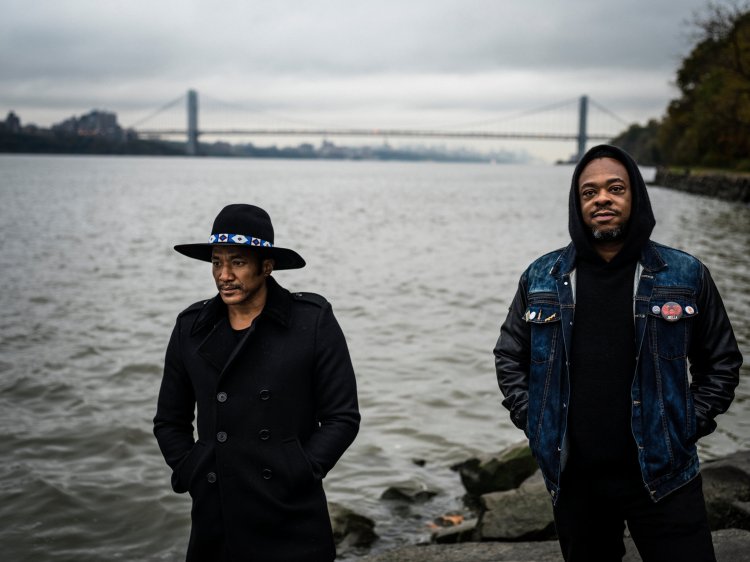


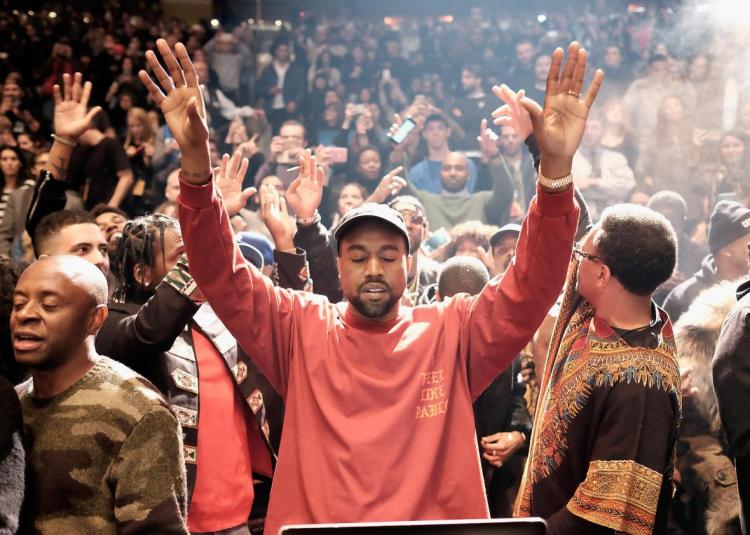



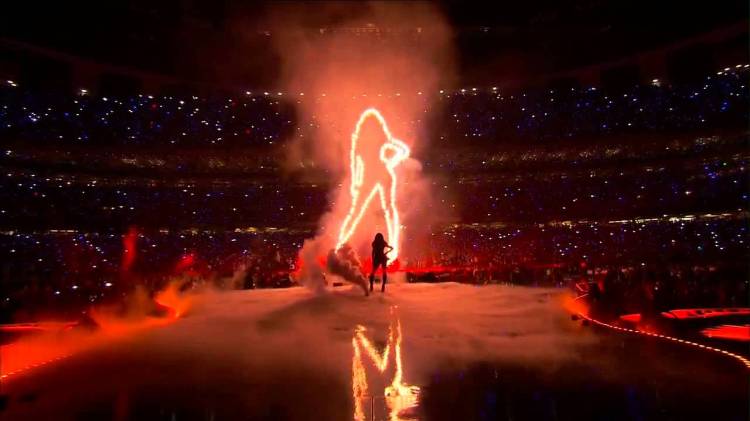



 A Fusing of horizons